
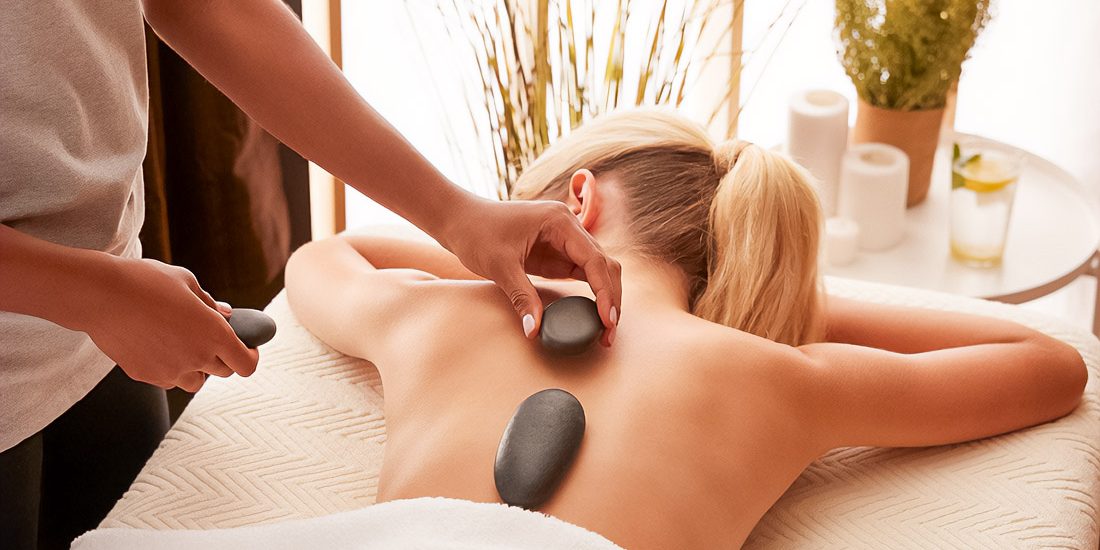
Winter plays subtle tricks on the senses. By day, the sunlight remains familiar, resting gently on the skin. Yet as night falls in Dubai, the air cools—unexpectedly fresh, as though the city has quietly borrowed another climate. The change is never harsh, but the body registers it instantly. After months of enduring relentless heat, blood vessels that once stayed open begin to draw inward. Circulation slows. Muscles tighten. It’s as if they’ve forgotten what softness feels like.
Mornings reveal this shift most clearly. The first stretch after waking meets resistance, a stiffness in the neck, a pull across the shoulders. You’re not sick. You’re not tired. Your body is simply adjusting, whispering its response to temperature, humidity, and light that no longer behave as they did a week ago.
The Impact of Cold on Muscular Flexibility

When the air cools, the body guards itself. Blood retreats toward the core, keeping the organs warm, while the outer muscles receive less oxygen. They lose their supple rhythm, grow dense, heavy. Inside the joints, the synovial fluid thickens, and motion that simple, unconscious act starts to feel mechanical. Even a short walk into a gust of wind can awaken that faint ache behind the knees or in the lower back.
The metabolism shifts too. Enzymes that thrive in warmth slow down. Recovery after exercise stretches longer. Flexibility gives way to tension not pain, but a muted resistance, the kind that makes you notice each step on a cool morning pavement.
The Importance of Hydration as a Regulatory Mechanism
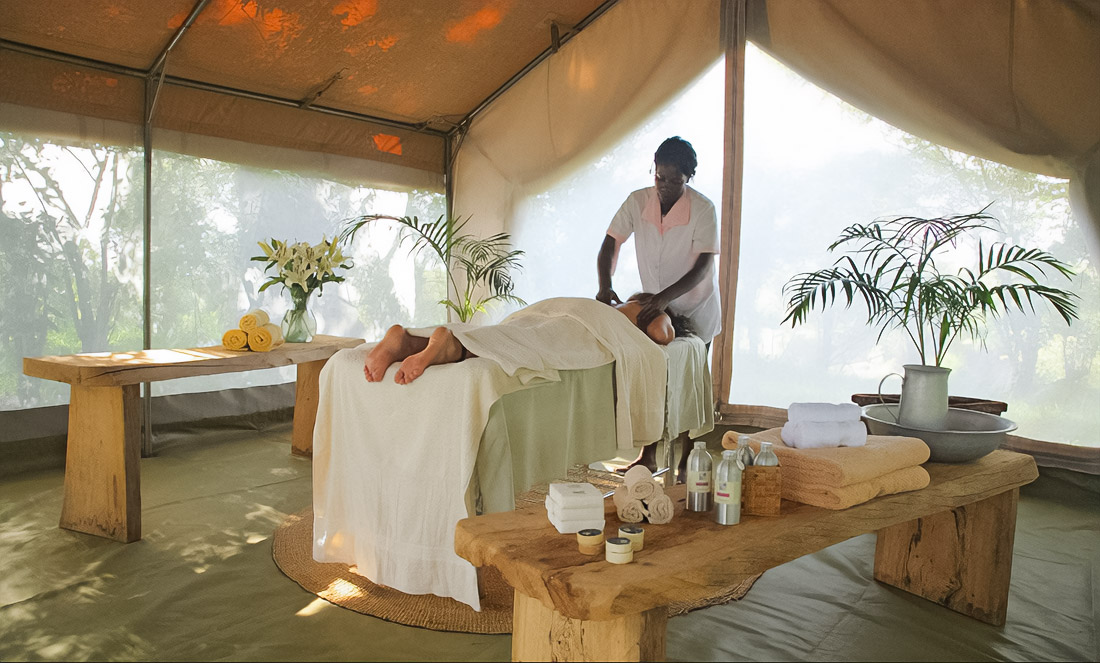
Thirst hides in winter. You drink less, yet the body keeps losing moisture through breath and skin. Air conditioners hum quietly, drying the room. Even the desert wind steals more than it gives. A small drop in hydration barely two percent can dull muscle performance, blur concentration, and leave the body heavier than it was yesterday.
Without enough water, electrolytes slip out of balance. Sodium and potassium drift apart, and the smooth synchrony of muscle contraction falters. The result is familiar: a nighttime cramp, a dull tension in the calves, that slow heaviness you can’t quite stretch away. Sometimes it isn’t the cold that stiffens you, it’s thirst disguised as calm.
The Role of Hormonal and Light Variations in Muscular Health
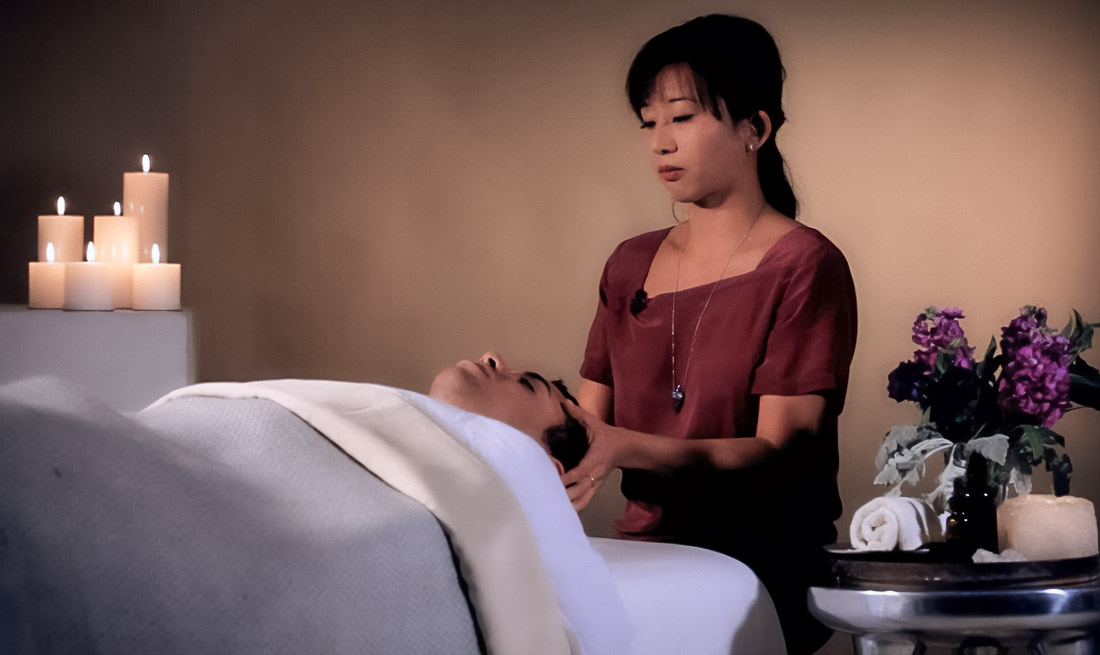
Temperature swings unsettle more than skin and muscle. They nudge the nervous system too. Cortisol, the body’s built-in alarm, begins to rise. It sharpens the senses but keeps the muscles alert when they should rest. Over time, that quiet vigilance turns into fatigue, a background hum of tension that refuses to fade.
With shorter days, sunlight grows scarce, and vitamin D production drops. The body, less nourished by light, reacts in subtle ways: slower neuromuscular response, heavier limbs, quieter mood. Even the brain feels the dimming. You may not name it, but you sense it as a kind of slowed energy that mirrors the cooler air outside.
The Therapeutic Effects of Warmth on Muscle Function
Heat feels like relief. It unwinds what the cold has gathered. A warm compress against the spine, a soak in Epsom salt, the first rush of blood after a shower all of it draws circulation back to the surface. Vessels expand, tissues breathe again, and endorphins rise just enough to ease the weight of stiffness.
Physiotherapists speak of heat in practical terms, but those who live with tension know it differently. It isn’t only physical. Warmth steadies the breath. It loosens thoughts. After ten quiet minutes wrapped in steam or sunlight, the body seems to remember its own rhythm again. Sometimes that same calmness finds you during a deep tissue massage in Dubai, where the warmth of touch and pressure feel like language, one muscle speaking to another, one breath grounding the next.
The Function of Movement in Muscular Recovery
Stillness tempts in winter, but motion heals. A few gentle neck turns, a slow stretch before stepping outside, even a walk down a shaded street these wake the deep muscles, invite circulation, and remind the joints they’re built for movement.
Massage deepens that work. It presses out what lingers lactic acid, fatigue, the residue of stillness. And afterward, a contrast shower sharpens the body’s reflexes, training the vessels to widen and narrow like tides responding to weather.
The Process of Adapting to Seasonal Variations
Dubai’s winter doesn’t bite; it whispers. Its contrast lies in rhythm warmth, then coolness, then warmth again. The body learns this language slowly. Drink when you forget to. Move before you feel ready. Wrap warmth around yourself not as armor but as a reminder that softness, too, needs protection.
Evening routines matter: a warm bath, deep breathing, the slow unfurling of tight shoulders. Each act tells the body it is safe to release. Layers of clothing, layers of calm. Both serve the same purpose to let you adapt without strain.
Between Seasons, a Lesson in Balance
This season isn’t about cold or heat. It’s about transitioning the quiet discipline of adjusting. Daylight invites motion; nightfall calls for care. Muscles tighten, yes, but they also teach patience.
Listen closely, and the body will tell you what it needs: a sip of water, a stretch before sleep,a few minutes of warmth before the day begins. In that small dialogue between warmth and coolness, between doing and resting, lies the real rhythm of winter not resistance, but balance.

Skydiver, shiba-inu lover, music blogger, vintage furniture lover and collaborator. Performing at the crossroads of aesthetics and purpose to express ideas through design. Let’s chat.